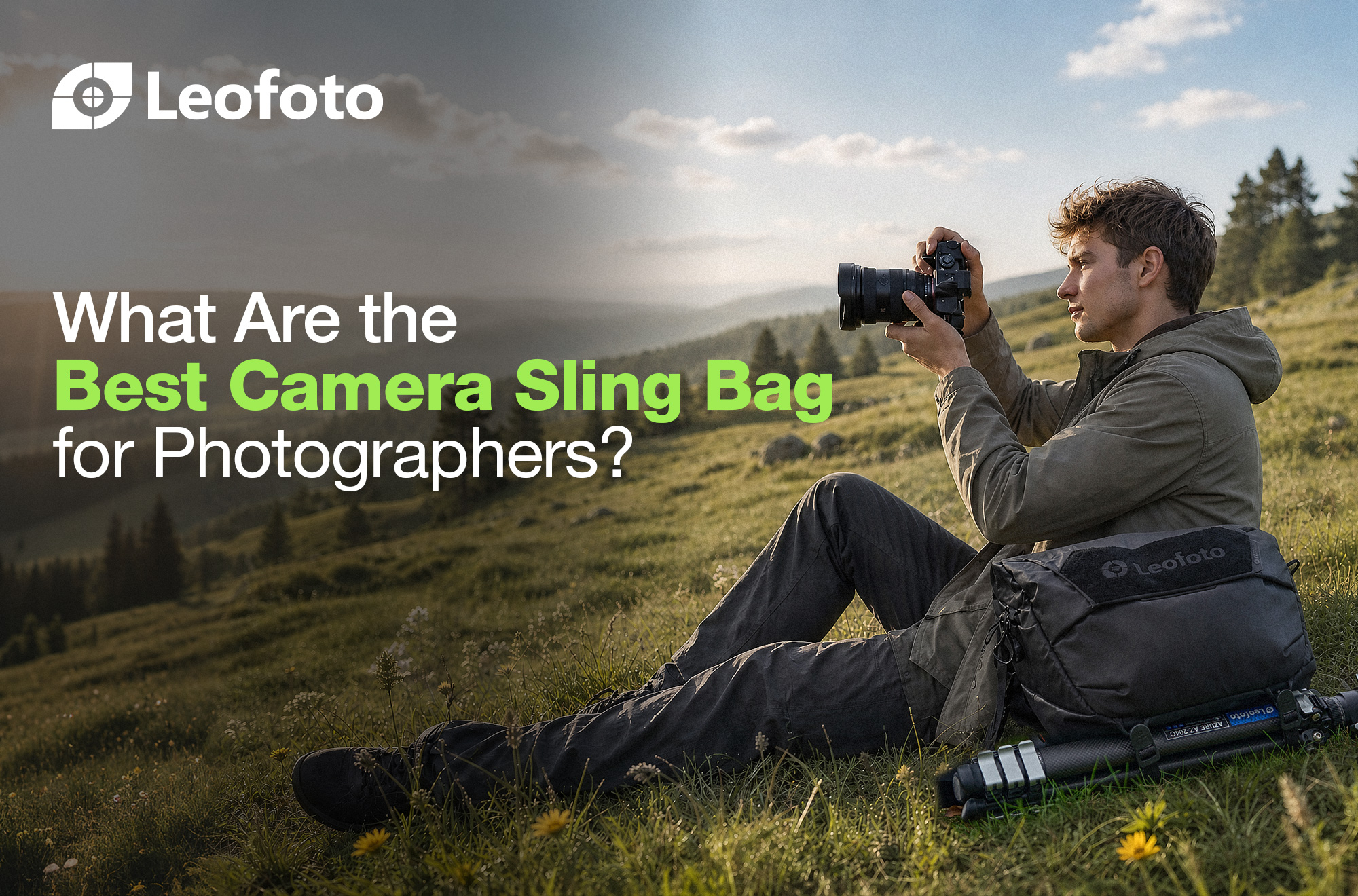
Street and travel photographers often need to reach a camera without removing a backpack or placing equipment on the ground. A camera sling bag supports this workflow by rotating from the back to the front while remaining attached to the body.
Quick access is only one part of the decision. Capacity, protection, strap design and organization determine whether a sling bag remains practical after several hours of walking.
What Makes a Camera Sling Bag Easy to Access?
Opening Position and Closure Design
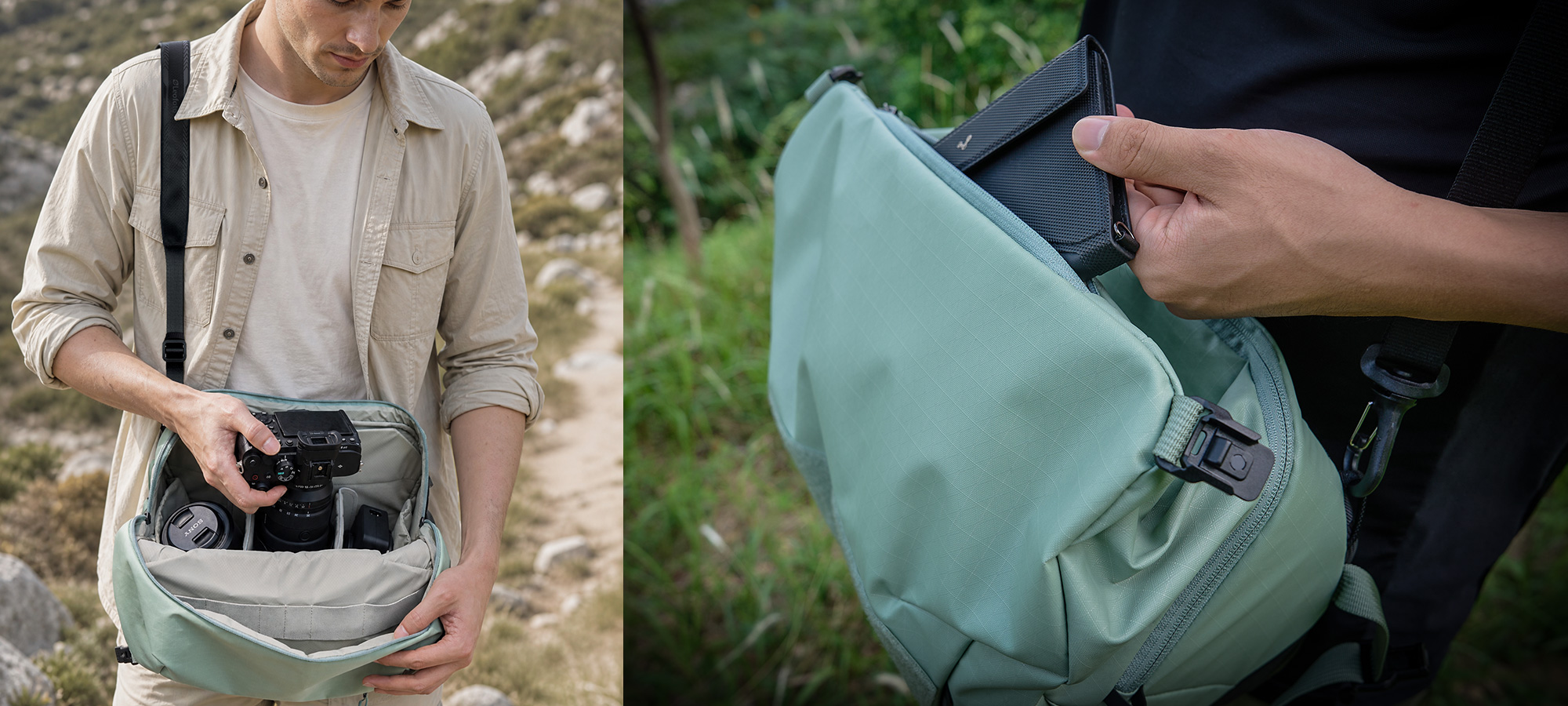
The main opening should remain accessible when the bag moves from the back to the chest. Top openings provide a direct view of the compartment, while side openings can create a shorter path to the camera. Some bags combine both options.
Opening width also matters. A narrow opening may catch on a lens hood, camera strap or viewfinder. The opening should expose enough of the camera for the user to take hold of the grip and lift it out in one controlled movement.
Zippers and buckles should be easy to locate by touch. Large zipper pulls and magnetic buckles reduce unnecessary hand movements, particularly when the photographer is watching the subject rather than the bag.
However, easy opening should not reduce security. The closure must remain secure while the user walks, bends forward or moves through a crowd. A structured rim also helps because it prevents the opening from collapsing when the compartment is partly empty.
Internal Layout and Camera Placement
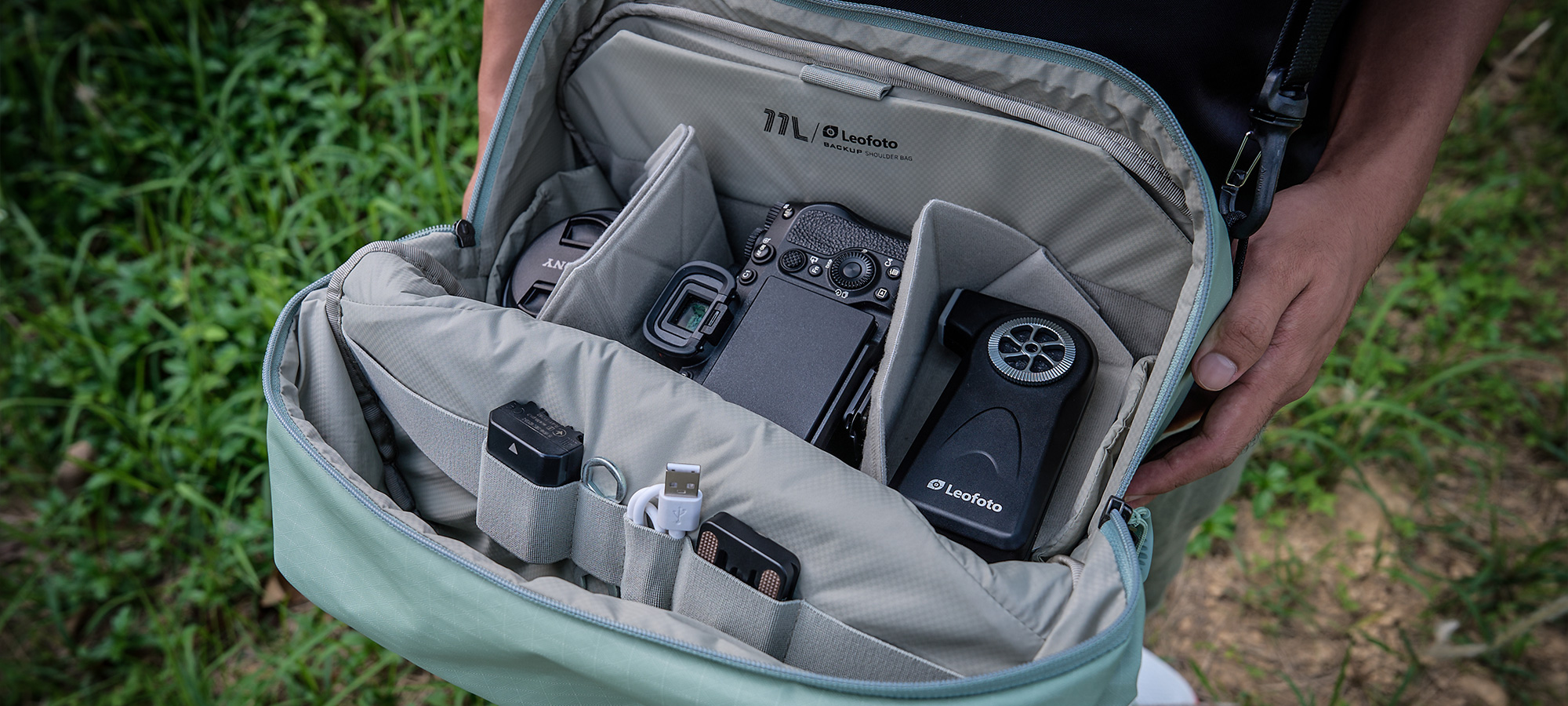
The camera should always occupy the same position, with the grip facing the main opening. A consistent layout allows the photographer to reach the camera without looking inside the bag.
Adjustable padded dividers create a defined space for the camera and each lens. They should prevent equipment from shifting without pressing against screens, control dials or lens switches.
Batteries, memory cards, filters and charging cables should remain in separate pockets. Loose accessories can enter the camera’s access path or scratch other equipment.
Clearance around the attached lens is also important. A camera may fit inside the compartment but remain difficult to remove if the lens hood catches on a divider. Testing the bag with the intended camera and lens provides more useful information than checking capacity alone.
Camera Sling Bag vs Shoulder Bag
Both designs provide quicker access than a conventional backpack, but they support different shooting routines. A sling bag is generally more suitable for quick access while walking because it rotates from the back to the chest, while a shoulder bag keeps equipment open and visible at the wearer’s side.
Comparison Point | Camera Sling Bag | Shoulder Bag |
Access movement | Rotates from the back to the chest | Remains at the side of the body |
Access while walking | More stable during movement | May swing when opened or repositioned |
Main opening | Usually designed for targeted camera access | Often opens widely for viewing the full kit |
One handed use | Suitable when the opening and strap adjuster are within reach | Suitable when the bag is already positioned at the hip |
Carrying security | Cross body strap keeps the bag close during access | Single shoulder position can shift under load |
Best suited for | Street photography, travel and frequent shooting stops | Assignments with repeated lens changes in a limited area |
How Camera Sling Bag Design Affects Quick Access
Strap Adjustment and Bag Rotation
A sling bag should move from the back to the front in one controlled motion. It should remain upright during rotation so that lenses and accessories do not fall against the opening.
Strap length affects both movement and stability. A loose strap makes the bag easier to rotate, but it may allow the bag to swing while walking. A short strap holds the bag close to the body but can restrict movement during access.
An accessible strap adjuster helps balance these needs. The photographer can loosen the strap before rotating the bag and tighten it again before walking. This adjustment should be possible without removing the bag.
The opening and zipper pulls should match the direction of rotation. Photographers should also check whether the carrying direction can be reversed, especially when the design favors one shoulder.
Some bags include a stabilizer strap to reduce movement during cycling or hiking. The stabilizer should release easily so that it does not delay access to the main compartment.
Carrying Comfort and Gear Protection
A wide, padded strap distributes pressure across a larger area of the shoulder. This makes the carrying position more consistent and reduces the need to reposition the bag throughout the day.
The bag should rest close to the upper or middle back. A low hanging bag swings more with each step and requires a larger movement to bring it toward the chest.
Padding should protect the camera without narrowing the opening. Dense material is most useful around the base, corners and outer walls. Excess padding near the opening can make the camera harder to remove.
Internal dividers should also prevent equipment from moving when the bag rotates. The camera and lenses should remain separated whether the bag rests on the back, chest or a flat surface.
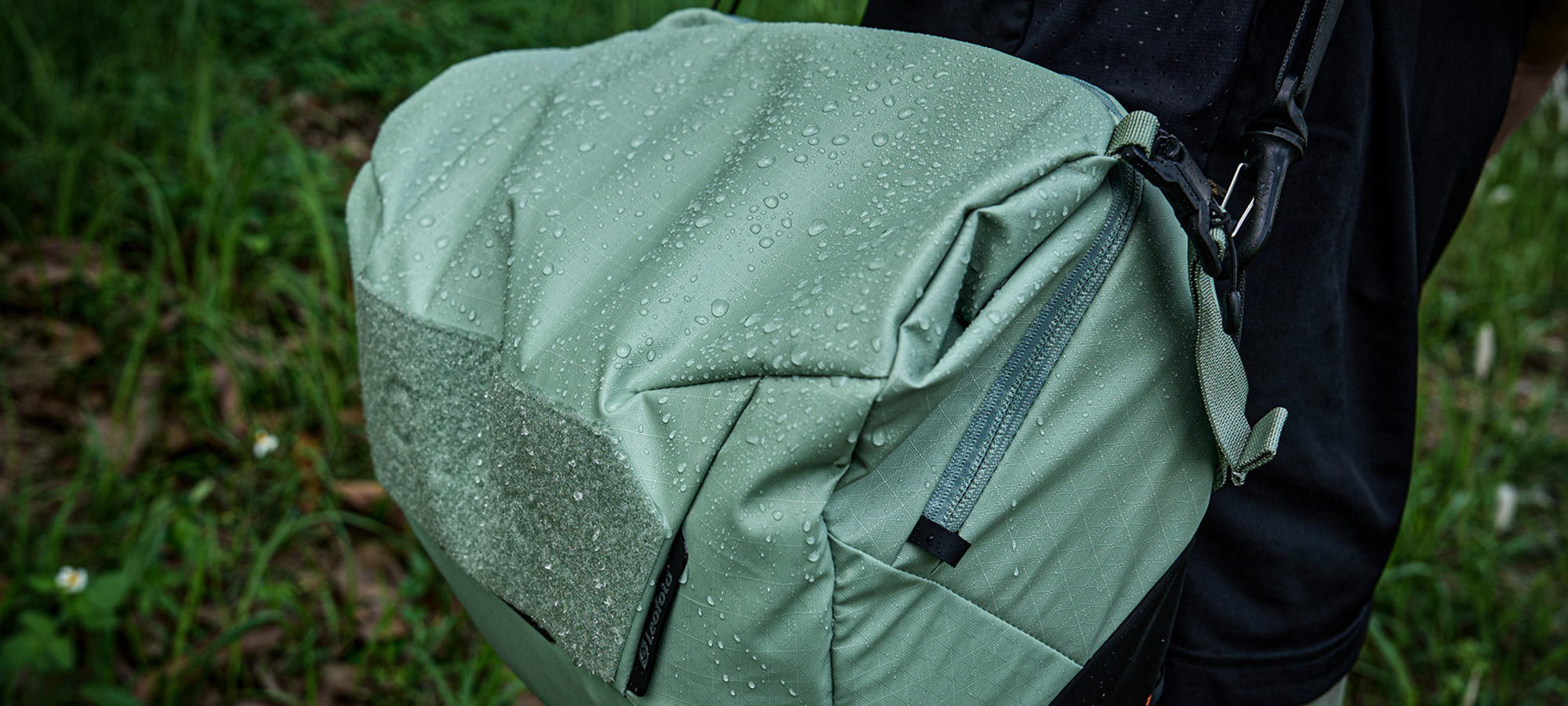
Weather resistant fabric protects equipment from light rain, dust and dirt. However, coated fabric does not make the complete bag waterproof because water can still enter through zippers, seams and openings. A rain cover remains useful during sustained rain.
The Best Camera Sling Bag for Quick Access: Leofoto OPA-11S
The Leofoto OPA-11S includes several features related to quick access, carrying stability and protection:
- Multiple access points:The bag provides top, side and internal access. NIFCO magnetic buckles are positioned on both sides of the main opening.
- Adjustable organization:Modular dividers allow the main compartment to be configured for different camera and lens combinations.
- Expandable capacity:The bag holds 11 liters and expands to approximately 15 liters. The stated configuration accommodates one camera, three lenses including a 70-200 millimeter lens, and a tablet up to 11.5 inches.
- Padded carrying system: The removable, dual adjustable shoulder strap uses 8 millimeters of styrene butadiene rubber (SBR) neoprene padding. A ventilated back panel includes airflow channels.
- Material and impact protection:The exterior uses 420 denier ballistic nylon with a polyurethane (PU) coating. A thickened base and removable ethylene vinyl acetate (EVA) cushioning provide additional protection.
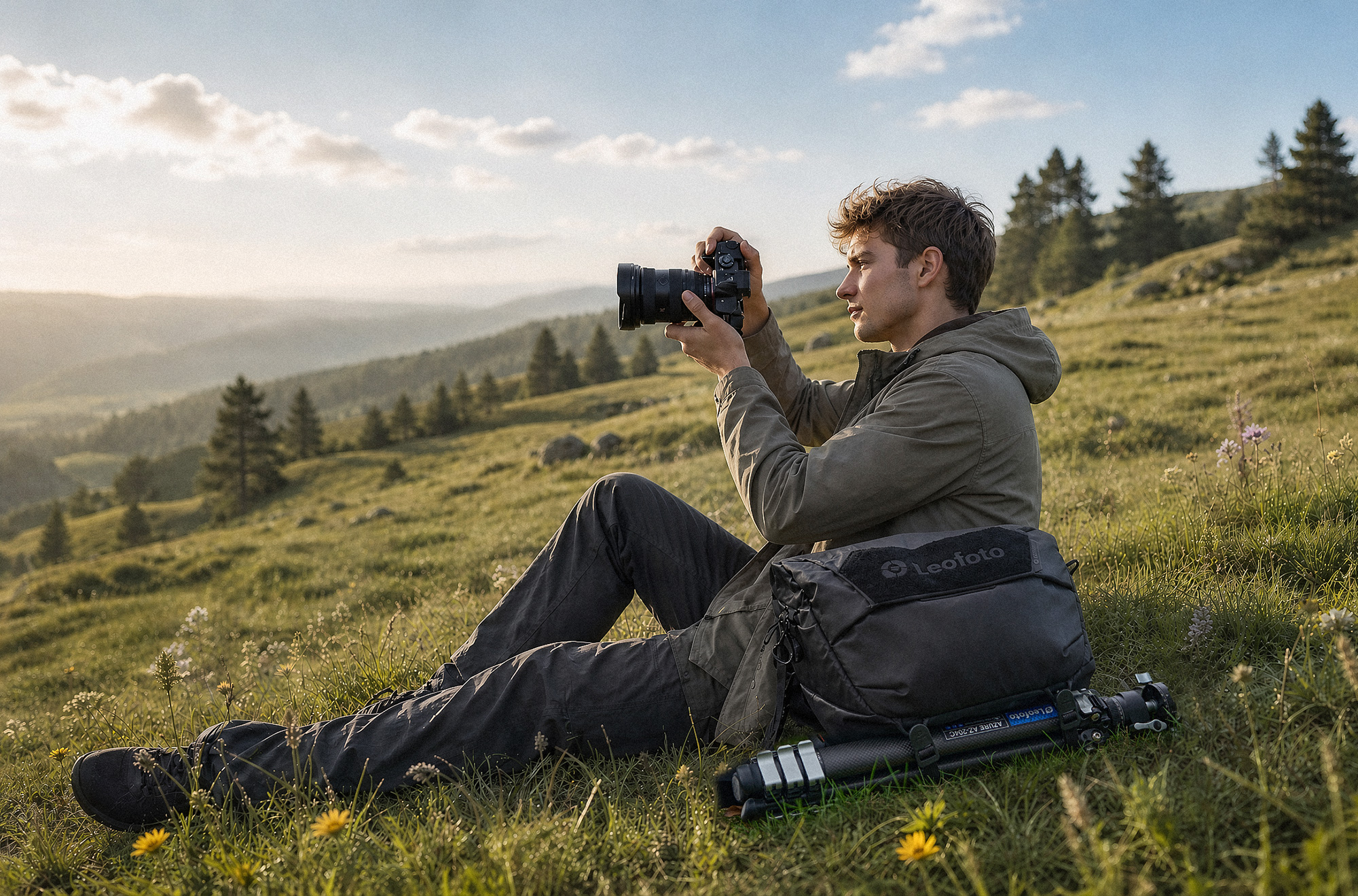
- External attachment:Detachable bottom straps can secure a tripod, jacket or other gear.
Conclusion
A suitable camera sling bag should provide clear access, stable carrying and enough protection for daily use. Focus on opening design, camera placement and strap adjustment when comparing options.
Review your usual camera setup and explore the Leofoto camera bag collection to find a design that fits your shooting routine.