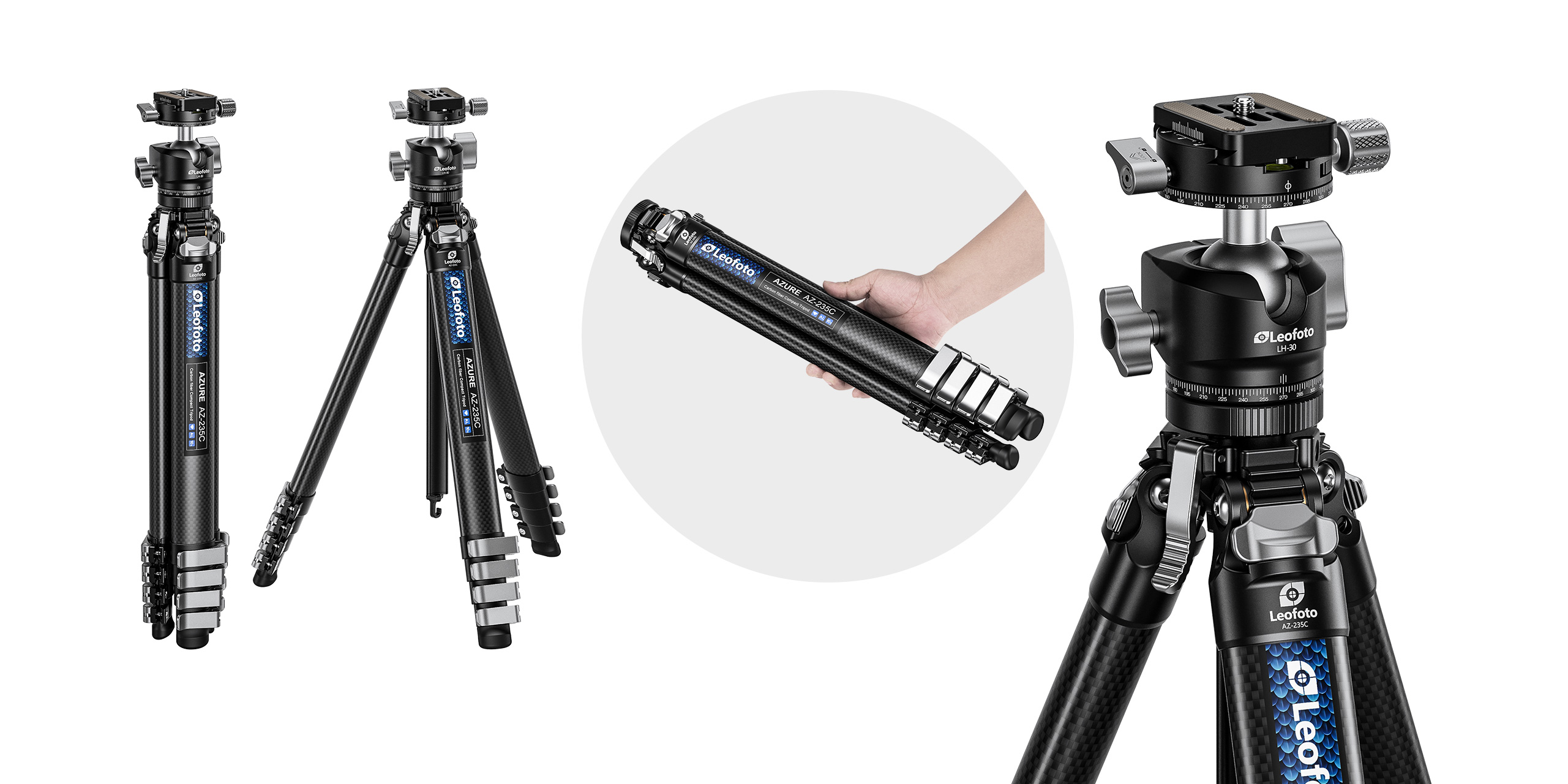
A hunter who carries a rifle several miles into the backcountry may get one chance at a clean shot, and the tripod under that rifle has to hold. Unstable legs, a clumsy setup or a slope that won’t level can each ruin that chance. For outfitters, retailers and equipment buyers, those failures show up as returns, complaints and lost repeat business. Carbon fiber is one answer to the carry-weight problem, but material alone doesn’t decide whether a tripod holds.
Why Does Tripod Material Matter for Field Shooting?
Material decides how much weight someone carries and how much vibration reaches the rifle or optic. Hunters often hike a long way before they set up. Every gram matters on the walk in, and stability matters at the shot.
How Does Carbon Fiber Compare with Aluminum?
Carbon fiber can reduce carrying weight and help damp vibration compared with aluminum, but the difference depends on the tube design and the complete tripod. Buyers should compare the actual weight, load rating and stability of the models they are considering.
Factor | Carbon Fiber | Aluminum |
Weight | Lighter to carry | Heavier |
Vibration damping | Absorbs more | Absorbs less |
Cost | Higher | Lower |
Repair | Harder | Easier |
It is worth noting, however, that aluminum’s extra mass can sometimes provide natural anchoring in high-wind conditions. Therefore, the material choice depends heavily on the balance between how far shooters must carry their equipment and the environmental elements they expect to face.
What Field Conditions Expose a Weak Tripod?
Uneven ground, wind and time pressure expose weak tripods first. Each one points to a specific design need:
- Slopes:Legs that can’t spread independently force the shooter to move instead of leveling the tripod.
- Wind:Light legs with poor damping let the rifle or optic drift.
- Time pressure:Western Hunter points out that a tripod you can set up quickly saves time when deploying under stress.
Which Features Define a Reliable Carbon Fiber Hunting Tripod?
Leg layout, leg locking, load capacity and mounting hardware decide whether a tripod holds a rifle steady. A spec sheet can look impressive and still fail in the field if one of these four is weak.
How Do Leg Design and Setup Speed Affect Performance?
An inverted leg layout shortens setup because the tripod collapses and deploys in one motion. Inverted legs place the widest tube at the bottom. Leofoto says this adds stability and allows quick full collapse and deployment.
Leg tubes that don’t cross also matter. On the Leofoto SO series, the tubes stay clear of each other, which keeps the legs from interfering during setup.
Why Do Independent Leg Spread and Locking Angles Matter on Uneven Ground?
Independent leg spread lets you level the tripod without moving your shooting position. For example, a guide on a hillside can set the uphill leg narrow and the downhill leg wide. Three locking leg positions give repeatable angles instead of guesswork.
What Should You Check in Load Capacity and Mounting Hardware?
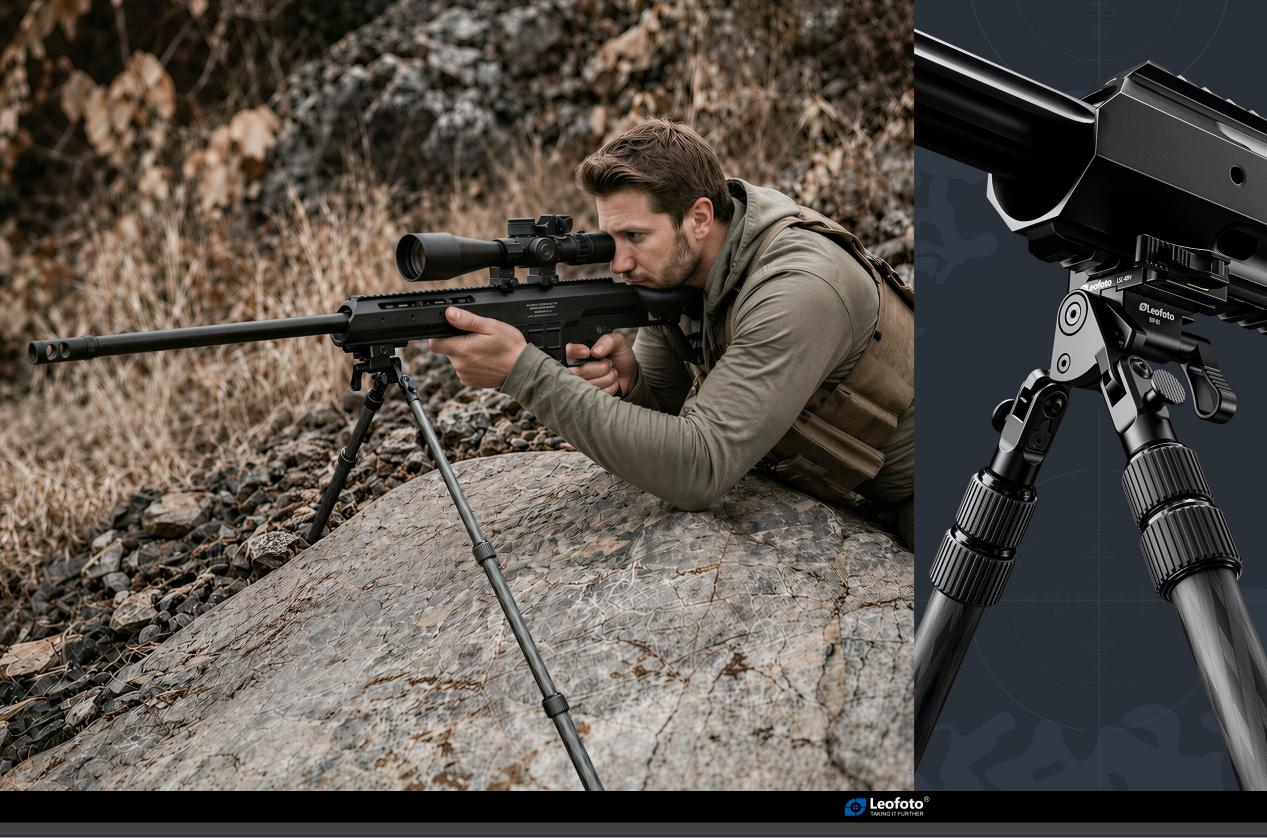
The rated load capacity must exceed the combined weight of the rifle, optic and head. Western Hunter adds that clipping a rifle directly to the tripod head limits how much the rifle moves independently of the tripod. Use this checklist before you buy:
- Rated load capacity:Does it exceed your heaviest rifle-and-optic combination?
- Apex platform:Is it machined metal rather than molded plastic?
- Mount threads:Is there a 3/8″ stud for heads and a 1/4″ socket for accessories?
- Feet:Do you get rubber for hard surfaces and spikes for soil?
How Do You Match a Tripod to Your Use Case?
Match the tripod to who uses it and what it carries. A guide, a retailer and a surveillance team all need the best carbon fiber tripod, but they check different things first.
User | Main Concern | Feature to Check |
Guides and outfitters | Repeated setup on mixed terrain | Inverted legs, independent leg spread |
Retailers and equipment buyers | Clear specs and consistent range | Published specs, related models |
Spotting and surveillance teams | Heavy optics on a stable base | Load capacity, apex platform |
What Do Guides and Outfitters Need?
Guides need a tripod that survives daily setup and teardown. Because they work with clients of different heights and skill levels, quick leg adjustment and reliable locks matter more than extra accessories.
What Do Retailers and Equipment Buyers Need?
Retailers need complete specs and a product line they can explain to customers. Missing weight or height data slows a sales conversation. Therefore, check that the manufacturer publishes full specifications before you stock a model.
Where Does the Leofoto SO-362C Fit?
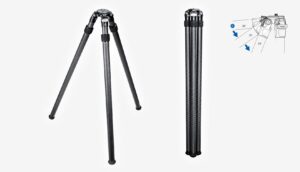
The Leofoto SO-362C Professional carbon fiber Tripod covers the features above in one design. Leofoto designs support systems for imaging and shooting, and the SO series targets full-sized firearm setups with spotting scopes.
What Does the Leofoto SO-362C Professional carbon fiber Tripod Offer?
The SO-362C brings together the features covered in this article:
- Inverted legs with the widest tube at the bottom
- Leg tubes that don’t cross
- Independent leg spread and three locking leg positions
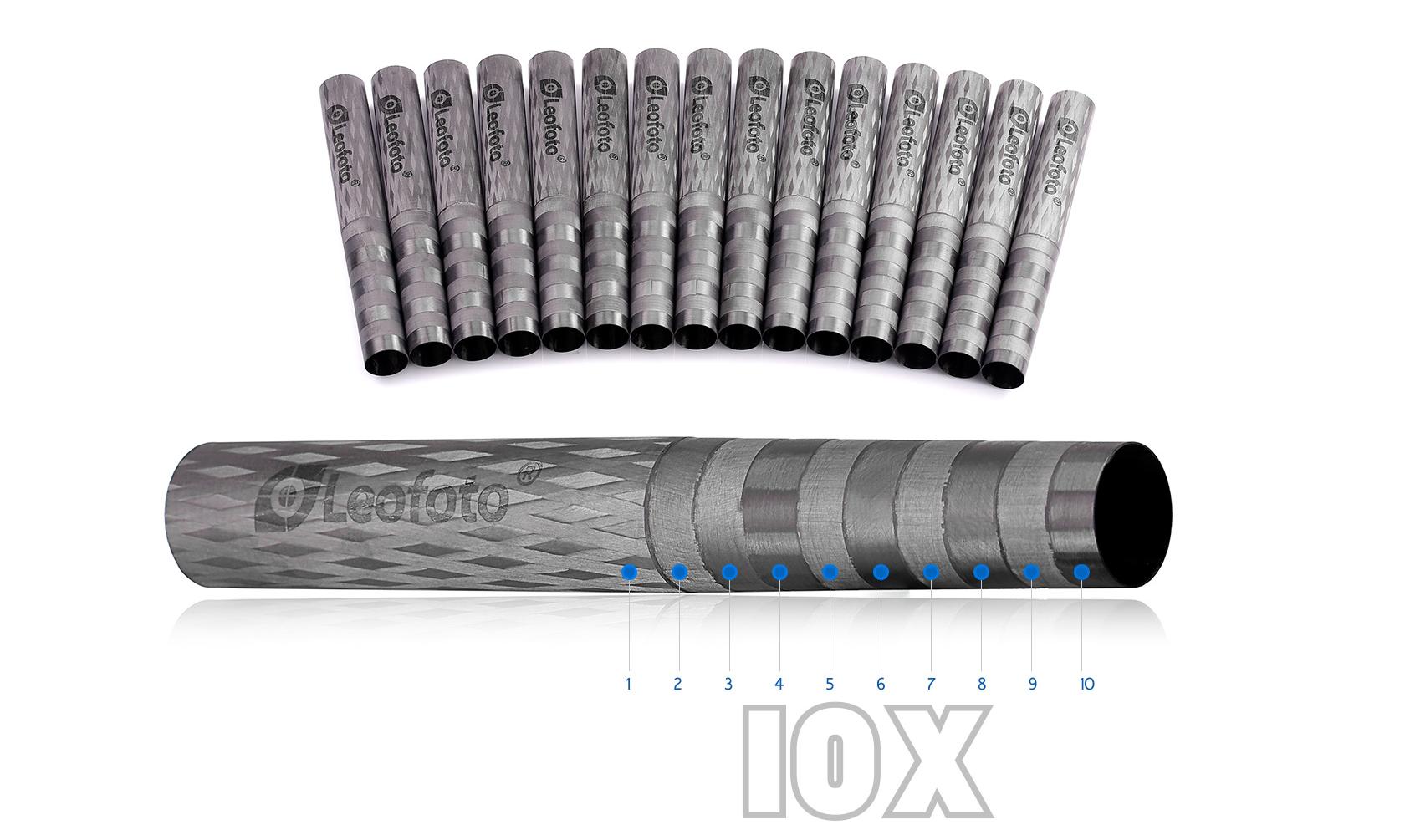
- 10 layers of Toray carbon fiber
- CNC-machined 6061-T6 aluminum apex platform
- 3/8″ mounting stud and 1/4″ accessory mounting socket
- Rubber feet with an included steel spiked feet set
Which Buyers Is It Built For?
It suits buyers who support full-length rifle chassis with a spotting scope. The product page also names cameras and large format surveillance equipment. For other sizes, browse Leofoto’s outdoor tripod range.
Conclusion: Choosing a Tripod That Holds Up Season After Season
A reliable carbon fiber hunting tripod combines carbon fiber legs, independent leg spread, a solid apex platform and a load capacity above your heaviest setup. Test these points against your users’ real conditions rather than a spec sheet alone.
For buyers who want a rifle-and-spotting-scope support in carbon fiber, the Leofoto SO-362C meets those criteria on paper. Compare its listed features with the checklist above, then decide whether it fits your catalog or your team.