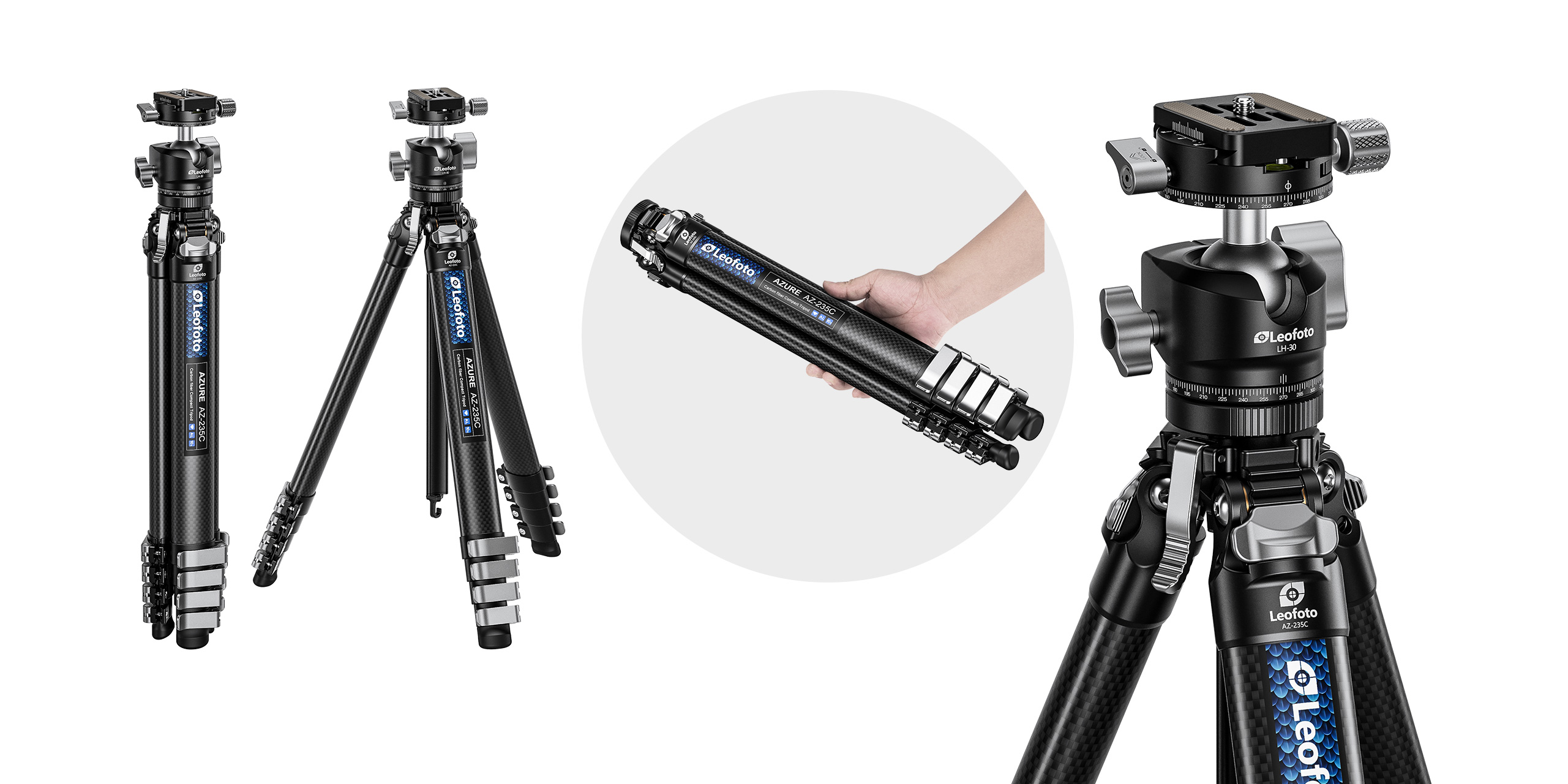
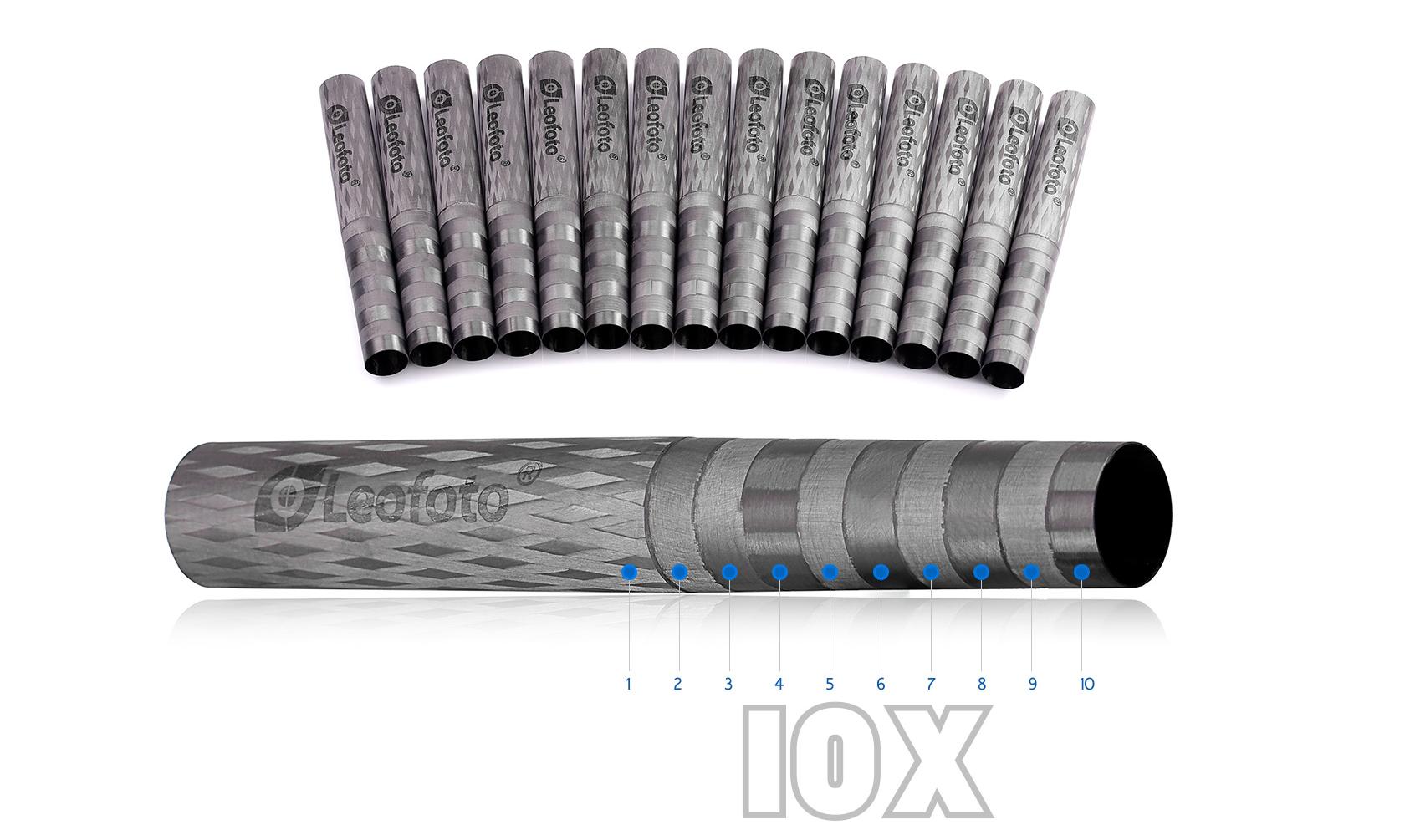
An animal steps into view, the rifle has nothing solid to rest on, and the next few seconds decide the shot. A support system solves that problem, but a bipod and a tripod solve it in different ways. The right choice depends on how you hunt, not on which tool has the bigger reputation.
What Is the Real Difference Between a Hunting Bipod and a Hunting Tripod?
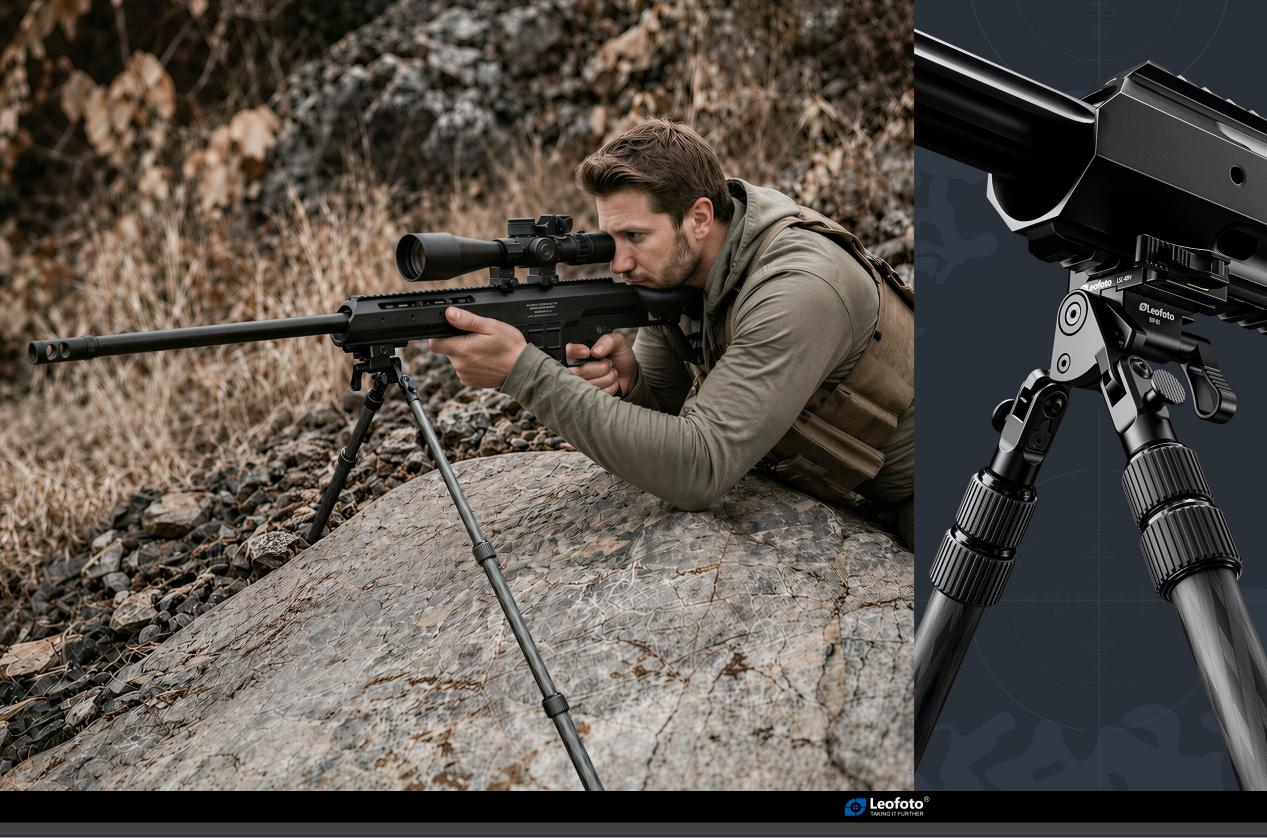
A hunting bipod is a two-legged support attached to the rifle. A hunting tripod is a separate three-legged stand that the rifle rests on or clamps to.
How Does Each Support Work in the Field?
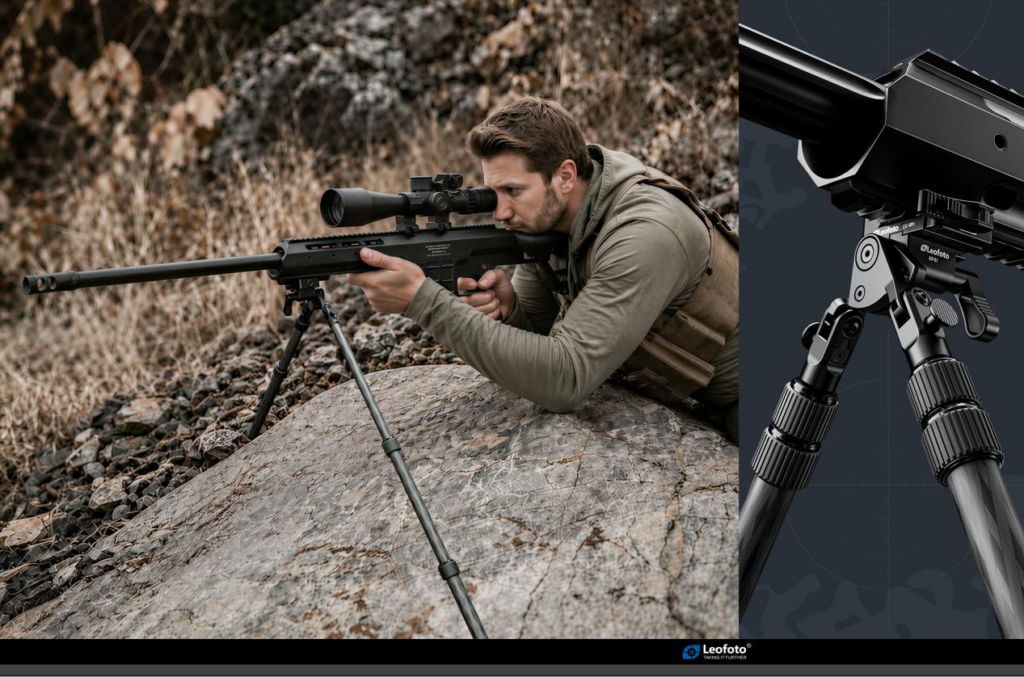
A bipod travels on the rifle and unfolds when you need it. A tripod is carried separately and set up first. Hunters then mount the rifle on its head, often with a Picatinny rail and an Arca-Swiss-style adapter, as Huntin’ Fool describes.
What Trade-Off Decides Most Hunts?
Stability against speed and weight decides most hunts. Three legs give more stability, but they take longer to adjust and add bulk, according to Huntin’ Fool and other shooting-support guidance.
Factor | Hunting bipod | Hunting tripod |
Attachment | On the rifle | Separate stand |
Stability | Solid from low positions | Highest of the portable supports |
Setup time | Short | Longer, because legs need adjusting |
Weight and bulk | Lower | Higher |
Typical position | Prone, low seated | Standing, seated, elevated |
When Does a Hunting Tripod Make More Sense?
A tripod makes more sense when you will stay in one place and need the most stable platform available.
Which Hunting Situations Favor Three Legs?
Three legs suit stationary hunts where stability matters more than mobility. EuroOptic notes that tripods work standing or seated and help when shooting from high places. Hunting Locator lists long-range shooting, glassing and stationary positions as their best uses.
- Long-range shotsfrom a fixed spot
- Elevated positionswhere a low bipod cannot see over cover
- Shared optics, since a tripod can also carry a spotting scope
What Do You Give Up by Choosing a Tripod?
You give up time and carrying weight. General hunting-support guidance describes tripods as heavier and bulkier than other shooting supports. On a stalk, the extra minute spent adjusting legs can cost you the shot.
When Is a Bipod for Hunting the Better Choice?
A bipod for hunting is the better choice when you shoot from low positions or open ground and want minimal setup.
Which Terrain and Shooting Positions Suit a Bipod?
Open ground and low positions suit a bipod. EuroOptic calls bipods ideal for low vantage points and static positions. Huntin’ Fool’s author adds that a bipod is generally more level, stable and quicker to deploy, and calls it far more practical for experienced hunters in the field.
What Limits a Hunting Bipod, and How Can You Work Around Them?
Height is the main limit, as EuroOptic points out. You can work around it in three steps:
- Choose telescoping legswith a wide height range.
- Look for multiple leg anglesso one bipod covers prone, seated and squatting positions.
- Practice deploying itbefore the season, as Huntin’ Fool advises.
How Does the Leofoto BIP-B1 Hunting Bipod Solve the Common Bipod Problems?
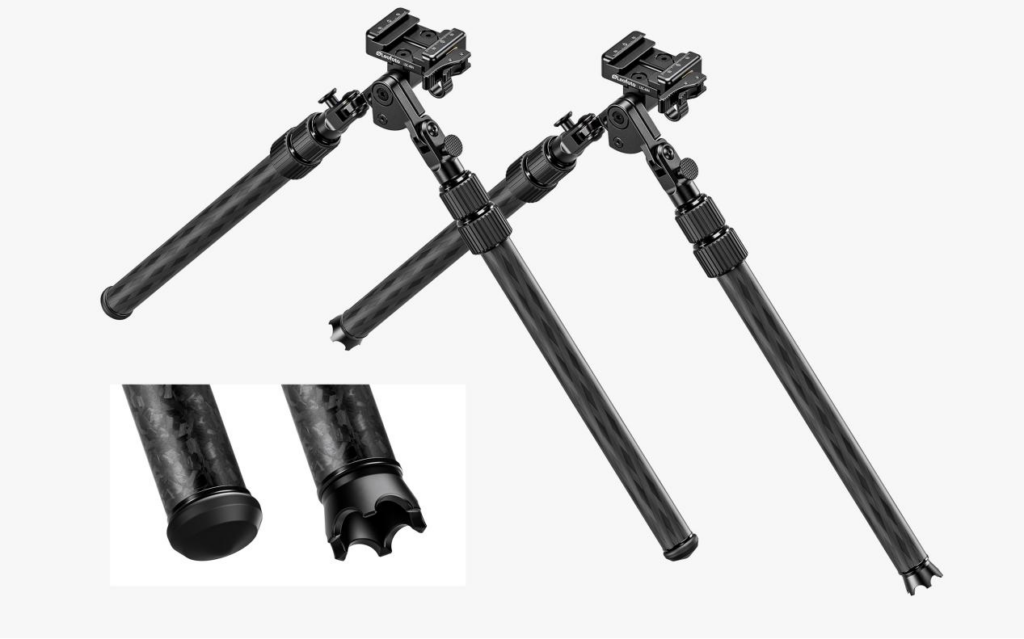
The Leofoto BIP-B1 targets the height and position limits of bipods with telescoping legs and adjustable angles. Leofoto designs support systems for imaging and shooting, using carbon fiber and aluminum alloy.
What Problems Does It Address?
Each documented feature answers a specific field problem:
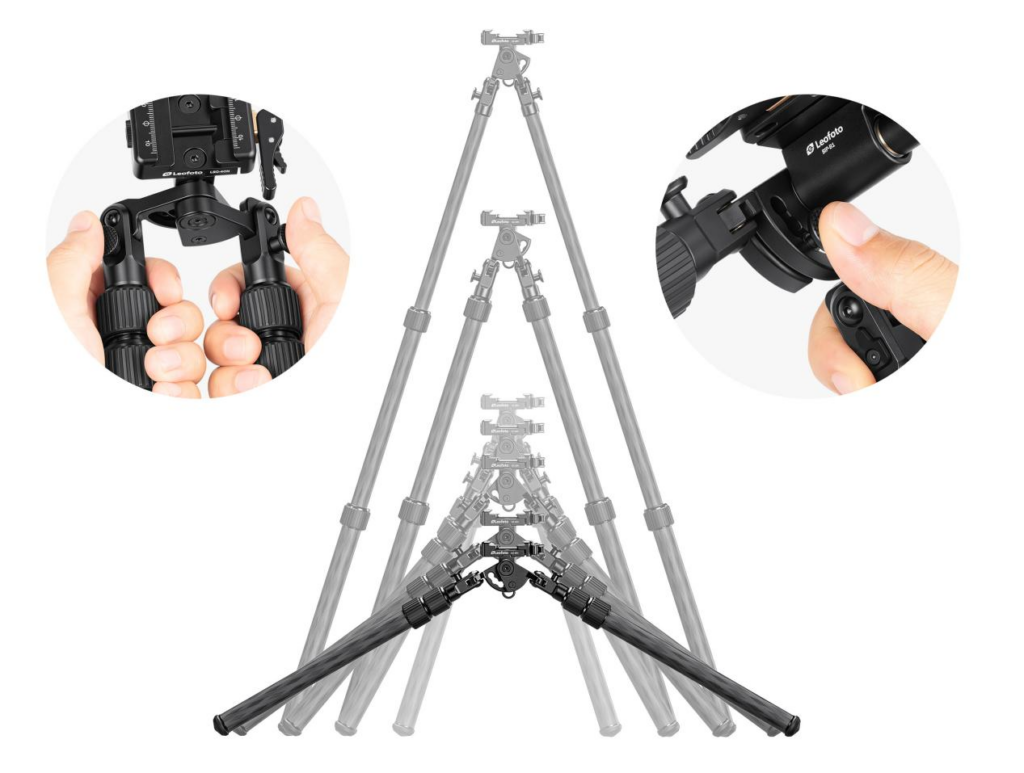
- Limited height and positions:three-section legs with several angle positions, suited to prone, seated and squatting shooting.
- Carrying weight:carbon fiber legs and a 450 g body.
- Accidental release:a secondary safety latch inside the locking lever must be pressed before the main lever opens. This prevents loosening when clothing or gear touches the lever.
- Clamp tension:a fine-adjustment knob on the side of the clamp.
What Are the BIP-B1’s Height Range, Weight and Mount Compatibility?
The BIP-B1 extends from 200 mm to 775 mm, weighs 450 g (about 1 lb) and accepts both Arca-Swiss and Picatinny mounts.
Specification | Leofoto BIP-B1 |
Max / min height | 775 mm / 200 mm |
Folded height | 345 mm |
Weight | 450 g |
Leg material | Carbon fiber, three sections |
Tube diameter | 16/19/22 mm |
Adjustable angles | 35°/57.5°/80°/102.5°/125° |
Feet | Rubber, or claw-style steel spike |
Clamp mount | LSC-40N (Arca-Swiss and Picatinny) |
How Does the BIP-B1 Adapt to Different Shooting Positions and Terrain?
The BIP-B1 adapts through adjustable leg height, leg angle and feet. The product page shows ground-hugging, low, mid-height and specialized shooting positions, with one-touch angle adjustment between them.
The included claw-style steel spike feet can replace the standard rubber feet. For carrying, the legs fold forward and rearward with one touch, down to 345 mm. You can compare other models in Leofoto’s bipod range.
Conclusion: Which Should You Choose, a Bipod or a Tripod?
Choose a tripod for stationary, long-range or elevated shooting, and a hunting bipod for low, mobile or open-ground shooting.
Your hunting style | Better fit |
Long waits, glassing, long-range shots | Tripod |
Stalking over open ground | Bipod |
Prone or low seated shots | Bipod |
Standing or elevated shots | Tripod |
For retailers and outfitters, the same split guides what to stock. Hunters who shoot low and move often need a bipod with a wide height range, adjustable angles and a secure mount. That is the profile the Leofoto BIP-B1 documents.